I rubbed my eyes, rolled over, and stared out my bedroom window.
Bright daylight filled my room. What time was it?
Then I remembered. The day before, I had an anaphylactic reaction to something, still unidentified. My body had shut down, and I was only dragging myself out of bed to eat and use the restroom.
The Beginning of Illness
I was newly fourteen. High school was just a few months away. Life was supposed to feel big and full of possibility.
Instead, my world was getting smaller.
Each week, new triggers left my heart racing, my skin breaking out in hives, my stomach emptying, my throat tightening, and the room around me spinning.
And worst of all, no doctors could tell me why. My allergy testing was negative, and my allergist labeled me as an anxious teenager. Fortunately, my mom discovered histamine intolerance through her own research, and for a few months, my symptoms subsided as I followed a strict low-histamine diet.
When Things Got Worse
But the relief didn’t last. What began in May of 2015 had, by October, become constant. I felt sick all day, every day, with no clear cause, except that a UTI had set everything off, and after that, my body never stabilized again.
Every week, new symptoms emerged. My hair was thinning. My joints ached. I had a constant headache. Brain fog set in. I slept for hours each day. I was often nauseated.
Searching for Answers
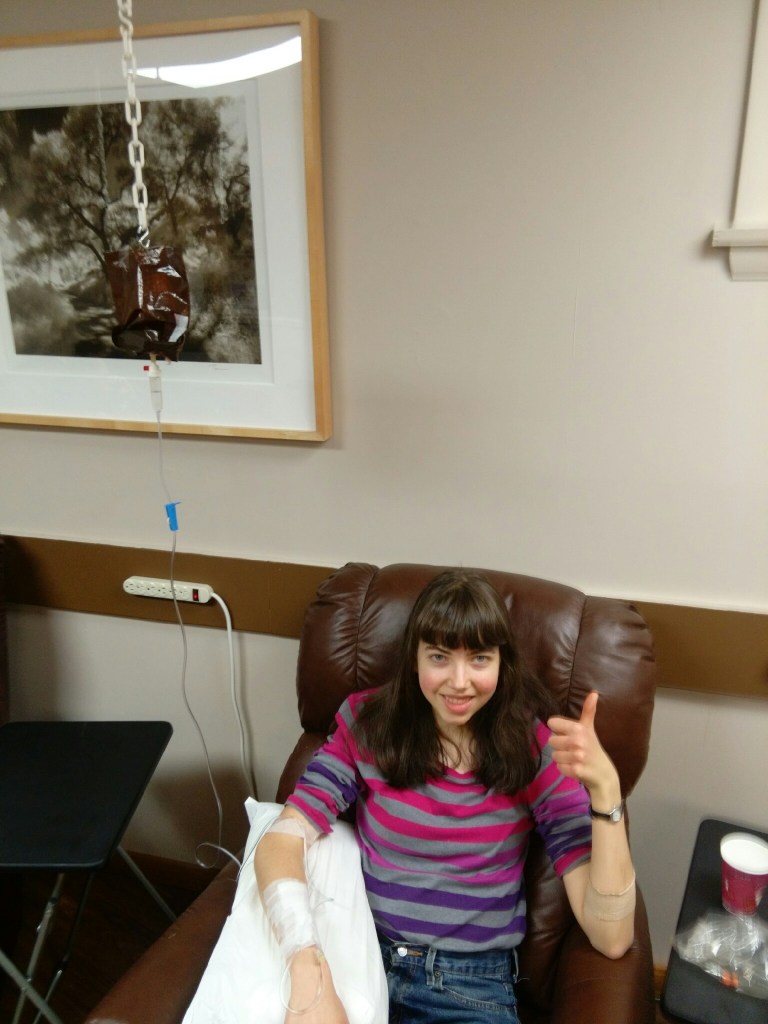
I was quickly diagnosed with chronic Lyme disease, but my body couldn’t tolerate the treatment. About eight months later, another doctor told me he didn’t believe I had Lyme at all but that a Bartonella infection had caused a false positive. Around that same time, I was also diagnosed with Postural Orthostatic Tachycardia Syndrome (POTS).
I began treatment for Bartonella, but it was hard on my body. I experienced some small improvements, but in many ways, the treatment left me worse. My body reacted intensely, and even small increases in antibiotics triggered new and worsening symptoms for months at a time.
That led to another discovery: Mast Cell Activation Syndrome (MCAS), the cause of my reactions to foods, smells, and chemicals—and now, my heightened immune responses.
Running Out of Options
By the end of 2018, I had exhausted all traditional treatments for MCAS. I had even tried chemotherapy, used in severe cases like mine. It barely helped, and it came with serious side effects—bleeding in my digestive tract, extreme weakness, and severe dry skin—that forced me to stop within weeks.
My parents had to cook—and often eat—their meals outside, because even the smell of certain foods could trigger a reaction. I was eating around twenty safe foods: chicken, carrots, flax seeds, zucchini, sweet potatoes… No eggs. No nightshades. No gluten. No dairy. No nuts. And no to a long list of other foods.
We didn’t know what to do.
I started to wonder if this was just going to be my life. I was experiencing dozens of symptoms around the clock, and there didn’t seem to be any clear path forward. We stopped all antibiotics and focused on managing symptoms.

Small Steps Forward
In 2019, I found some relief through bioidentical hormone replacement therapy. Stabilizing my hormones helped stabilize my MCAS, and in 2020, I was diagnosed with another tick-borne infection: Babesia.
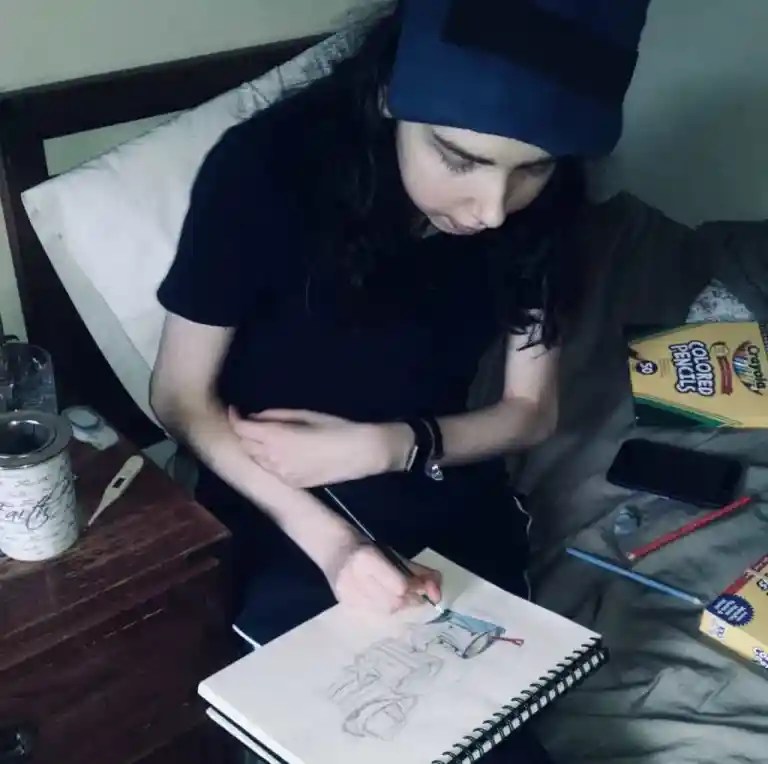
I was able to tolerate treatment, and my recovery, though gradual, was real. Over time, I could sit at the table for meals, go for walks, crochet, draw, and read. But each activity still left me feeling worse—a hallmark of Chronic Fatigue Syndrome—and I was still spending more time in bed than out.
When Everything Fell Apart Again
In January 2023, I contracted COVID-19 for the second time, and it unraveled much of the progress I’d worked so hard to regain.
I felt desperate. Defeated. Nothing I had tried was working the way I needed it to.
But what felt like a breaking point became a turning point.
A Path Forward
Years earlier, I had heard about a program called the Dynamic Neural Retraining System (DNRS). I was skeptical. It felt too simple and didn’t fit with everything I’d come to believe about my illness. But it kept coming back into my life. I saw in discussed on blogs. Friends mentioned it. Then a doctor recommended it for me to a family member.
By that point, I felt like I had nothing left to lose. So my parents bought the program for me.
DNRS is designed to retrain the brain and is based on the idea that trauma lays at the root of many illness. I didn’t know it yet, but DNRS would change everything.
Rebuilding My Life
Within weeks, symptoms I had lived with for years began to ease. Slowly, I started getting pieces of my life back.
I began going to church regularly. I enrolled in online college courses. I started weaning off medications. Within eight months, I was running, hiking, biking, and enjoying a much-expanded diet.

Where I Am Now
Three years later, I’m still healing, but my life looks very different. Over that time, I’ve rebuilt my life and developed the skills I now bring into my client work.
I’ve learned that the brain is neuroplastic. It can change, adapt, and grow. I know firsthand that difficulty and challenge, while painful, can lead to growth and resilience. I’ve proven to myself that I can do hard things, and I bring that same understanding to my work: approaching every project with patience, focus, and the confidence that effort and persistence produce results.
To learn more about my healing journey, you can check out my Substack where I write about the intersection of faith, trauma, and chronic illness.
Disclaimer: This page shares my personal health journey and is not intended as medical advice. Every individual’s experience is different, and I encourage you to consult a qualified healthcare professional regarding your own situation.
 Lauren Watt